Bangladesh PM Tarique named among TIME's 100 most influential people of 2026
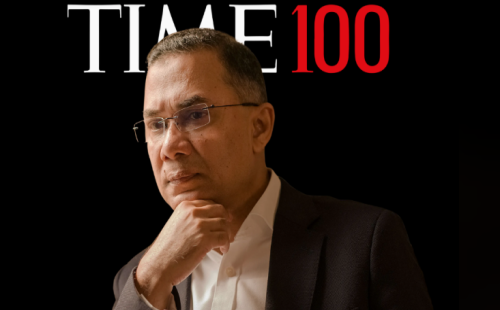
Prime Minister Tarique Rahman has been named one
of the 100 most influential people in the world for 2026 by the New York-based
TIME magazine.
The prestigious list, released today (15 April),
features the Bangladeshi leader alongside global figures including US President
Donald Trump, UK Prime Minister Keir Starmer, Pope Leo XIV, Benjamin Netanyahu,
Nepal's Prime Minister Balendra Shah, and New York Mayor Zohran Mamdani.
The photo shows PM Tarique among other world leaders named in Time's
list.
In a profile detailing his rapid political
ascent, TIME wrote, "Rewind just a few months and Tarique Rahman was
living a carefree life of exile in leafy southwest London. But the 2024 ousting
of Bangladesh's autocratic Prime Minister Sheikh Hasina propelled the
57-year-old scion from opposition agitator to national leader in waiting—a
destiny he fulfilled in February by winning an electoral landslide after 17
years estranged from his homeland.
"It was a victory that meant Rahman had
followed in the footsteps of his mother Khaleda Zia, who was Bangladesh's first
female Prime Minister and who passed away just five days after his return to
Dhaka. His grief was still raw when Rahman sat down with TIME in January,
though he vowed to channel it into unifying his country of 175 million, while
getting South Asia's second biggest economy buzzing again. Bangladesh is beset
by high inflation and youth unemployment, and relations with regional
superpower India have reached a historic nadir. All require swift remedy."
The TIME profile concludes with: Corruption
allegations from the aughts (albeit since quashed by the courts) may mean any
honeymoon period will be shorter than most. But after so many years in the
wilderness, he's determined not to waste any more time. "We need to work
together, unite," Rahman says, "so that people can have their
political rights."
Tarique became prime minister following the
BNP's landslide victory in the 13th national elections held on 12 February,
just days after the passing of his mother, Khaleda Zia, who served as
Bangladesh's first female prime minister.
His inclusion in the TIME100 marks a significant
moment of international recognition for his leadership following nearly two
decades in exile and his subsequent return to power.
Prime Minister's Office (PMO) spokesperson
Mahdi Amin shared the development on his Facebook handle. He wrote, "At a
critical juncture when democracy was besieged, voting rights were non-existent,
and freedom of speech was stifled, Tarique Rahman stepped forward with resolve,
courage, and unwavering faith. Beyond providing leadership, he instilled hope,
empowered the people's voice, and became the advocate for the oppressed.
"Under his leadership, after navigating a
path of immense struggle, Bangladesh has returned to the democratic fold. His
role in establishing free and fair elections, freedom of expression, the
protection of human rights, and the rule of law is now recognized on the global
stage. He returned home in what is considered the greatest homecoming in recent
memory; on the day of his return, he declared, 'I have a plan.' He has been
working tirelessly according to that plan to build a non-discriminatory,
inclusive, and integrated Bangladesh. In less than two months of the elected
government's tenure, significant progress has been made in fulfilling key
promises."
He further wrote, "Inclusion in the
TIME100 list is a powerful acknowledgment of the honourable prime minister's
long struggle for democracy and his charismatic governance. He has proven that
a leader's true strength lies not in power, but in the rights of the people; he
views governing the country not as an exercise of authority, but as a
responsibility. He believes that not division, but steel-clad unity is what
propels a nation forward."
"This honour from TIME belongs to all of us. It belongs to every citizen of Bangladesh who believes that democracy is invincible and that the power of the people never suffers defeat. This global recognition is a victory for democracy, a victory for the people, and a victory for Bangladesh.